

Our Story
Tested in the gym. Built to last - a store run by people who actually lift.
The gym online store began in a place far humbler than its glossy website would later suggest: a cluttered spare room with mismatched dumbbells stacked against the wall and a single laptop balanced on a folding table.
Behind the brand
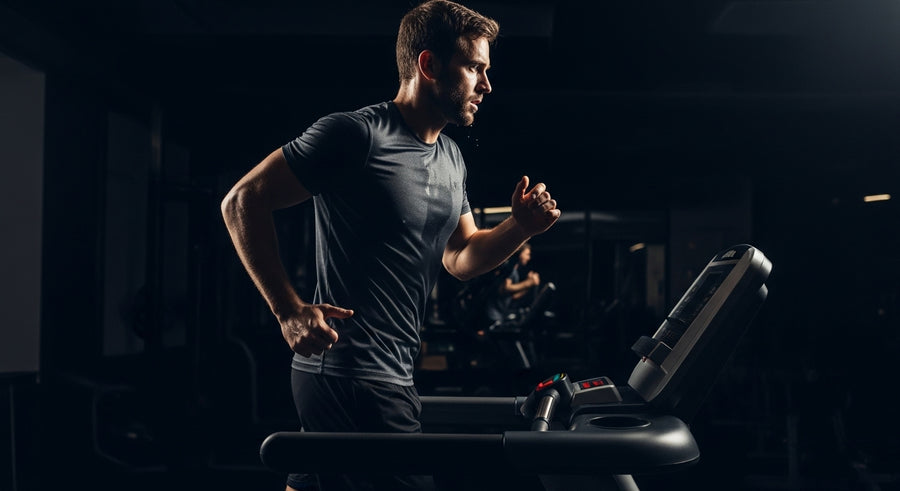
It started with a problem. The founder, who trained after school and work, was tired of ordering fitness gear that arrived late, broke quickly, or didn't match what real gym-goers actually needed. Wrist wraps that unraveled after a week. Resistance bands that snapped mid-rep.
Every workout ended with the same question: Why isn't there a store run by people who actually lift? Instead of waiting for an answer, they decided to build one.
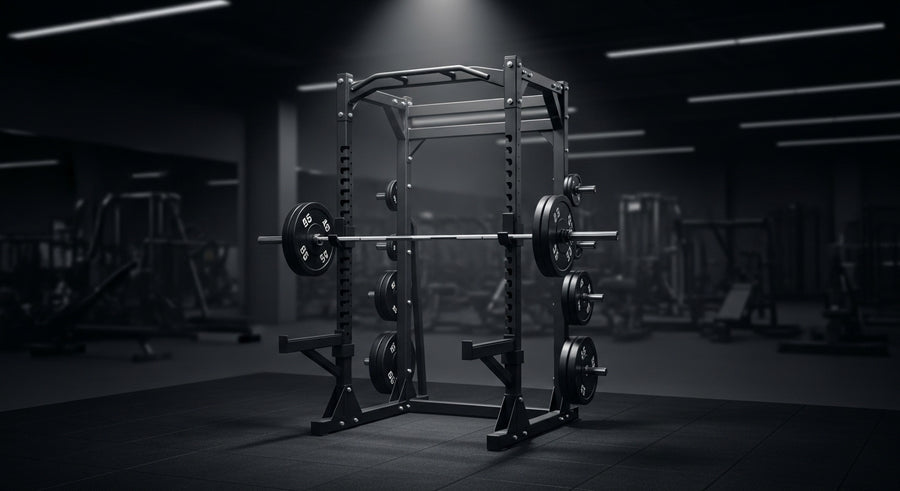
At first, the store was little more than an idea and a checklist. They researched suppliers late at night, tested products during their own workouts, and rejected more items than they accepted. Only gear that survived real training earned a place on the shelf.
The website launched quietly. No big ads, no influencers - just a simple promise: Tested in the gym. Built to last. The first orders came from friends, then friends of friends, packed by hand with thank-you notes written after long training days.
Ready to train?
Gear we've tested ourselves, shipped Australia-wide. Find what fits your training.
Shop the range